Posted on

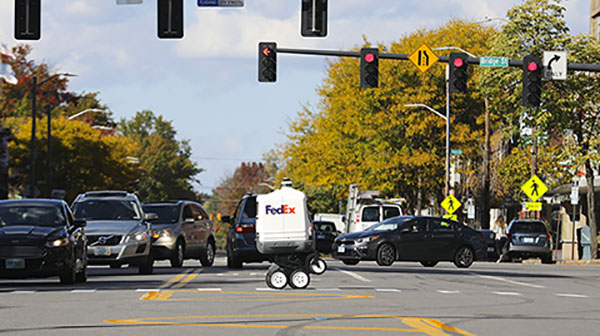
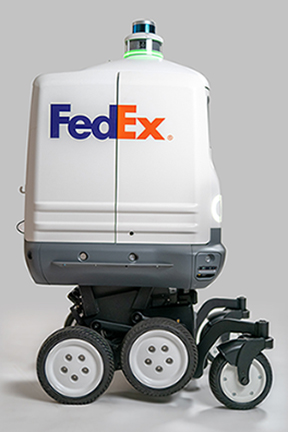
FedEx Delivery Robot

Roxo operates on sidewalks, bike lanes and roadsides, and is designed to be used in a three-to-five mile radius of a retailer’s location. We specifically designed Roxo for reliable, autonomous last-mile delivery that can deliver to a customer’s door, including climbing the curb, traveling up the sidewalk, and climbing deep terrace steps.

Further testing is being planned, targeting customer use cases like auto parts, pizza delivery, home improvement, general merchandise, and groceries.

More info

Posted on

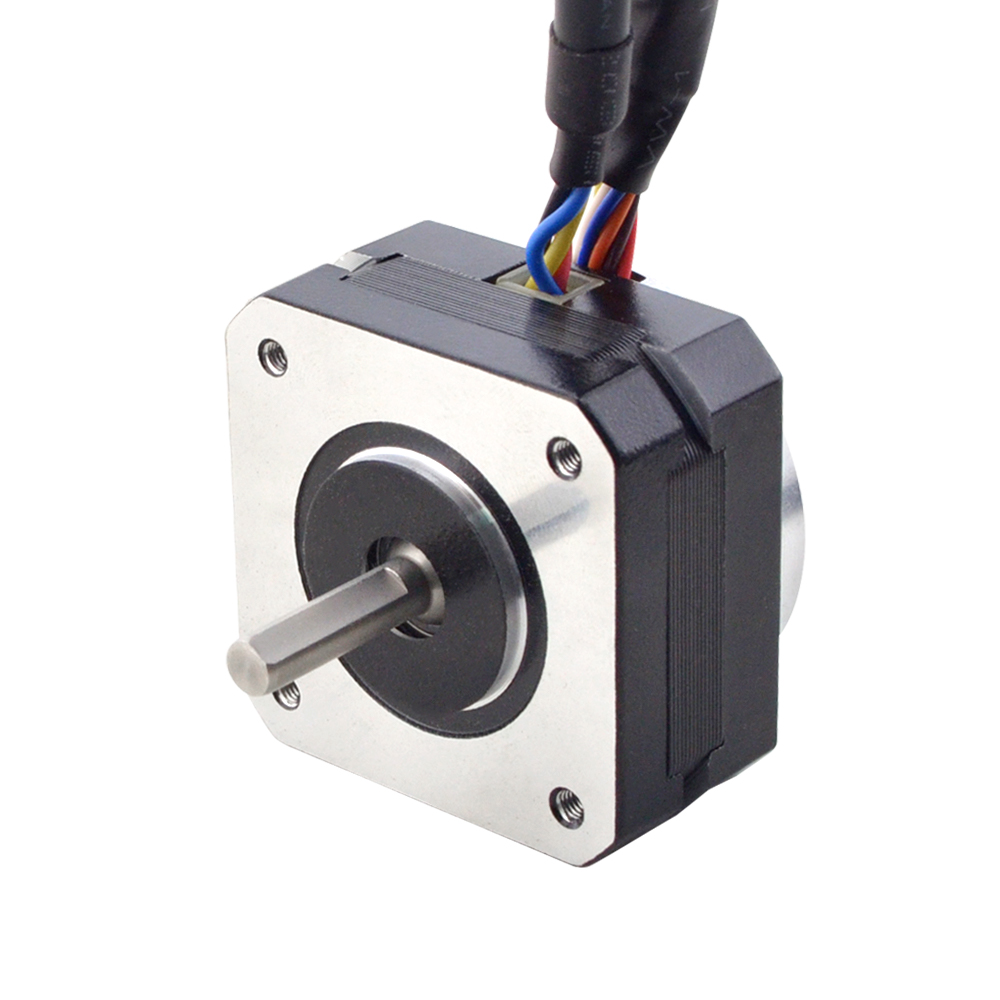
The Effect of Voltage on the Performance of Stepper Motors

Under different voltages, the performance of stepper motors will be different. Generally, the higher the voltage, the better the speed and torque performance of the stepper motor. However, increasing the voltage also causes an increase in current, which may overheat the motor and possibly even damage the driver.

The motor’s low-speed vibration will be larger when working under high voltage. We recommend that the driving voltage be selected according to the size of the motor base (but may be limited by the driver).

Motor Voltage
NEMA8—17 12-24VDC
NEMA23—24 24-48VDC
NEMA34 36-60VDC
NEMA42 60-100VDC

To properly drive a stepper motor at different voltages, the following points need to be considered:

Current: The stepper motor has a rated current, the best working current considered in the design. If the current exceeds the rated value, the electric
The machine may overheat and be damaged. At different voltages, the current may vary. To protect the motor, a current limit can be used
driver to control the current.

Driver: An appropriate driver must be used to drive the stepper motor at different voltages properly. The driver should be able to input
The voltage adjusts the output current to maintain a constant current. This can be achieved using a constant current source driver, which automatically adjusts the
output voltage to maintain a constant current.

In summary, stepper motors work at different voltages as follows: A change in voltage causes a change in current, so you need to use an appropriate driver to protect the motor and achieve optimum performance. When designing the system, the rated voltage and current of the motor should be considered, an appropriate driver should be selected, and control strategies should be used. Source

Posted on

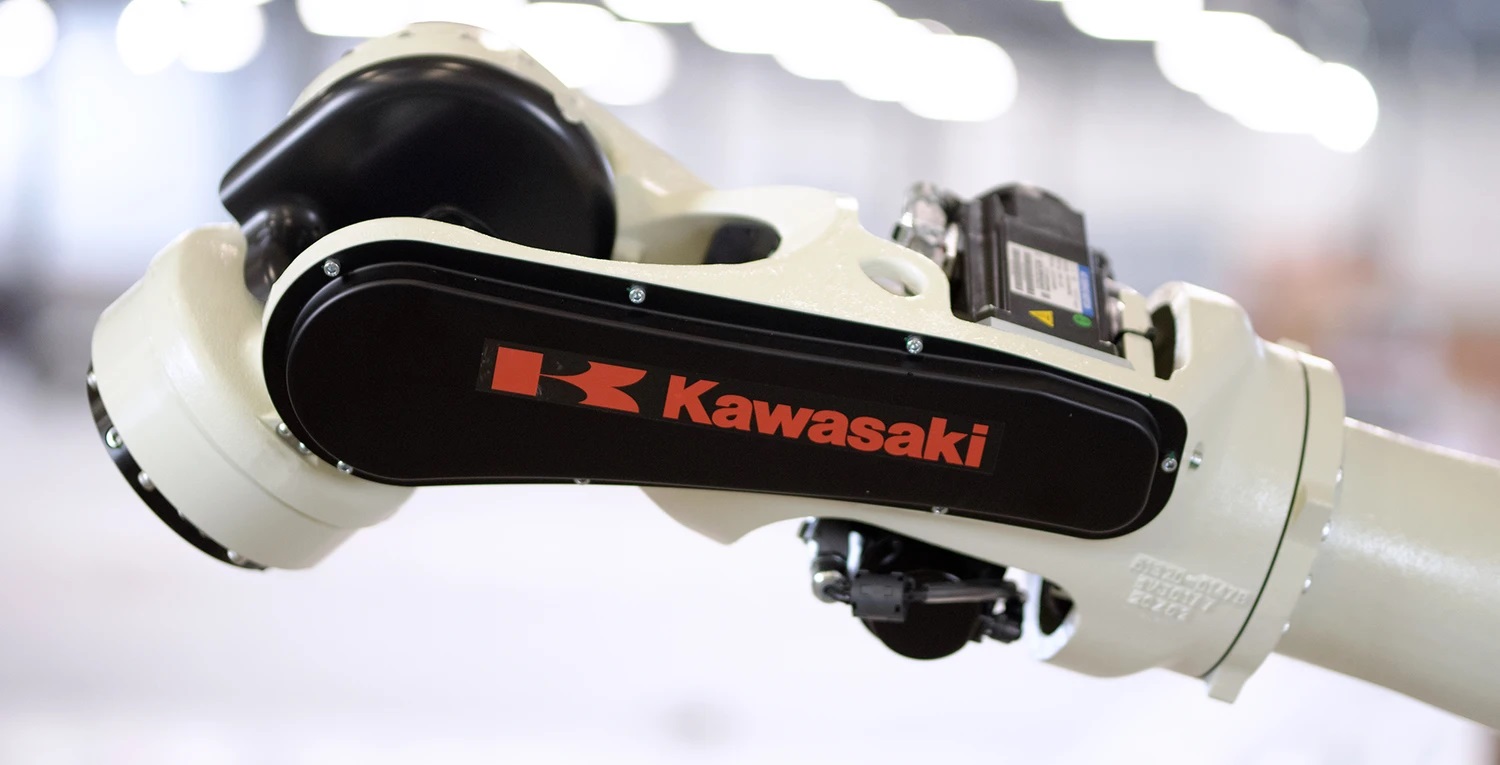
Kawasaki Robotics

Kawasaki Robotics produced the first commercial, the industrial robot, in Japan in 1969


In 1969, Kawasaki Heavy Industries manufactured the first industrial robot in Japan. Since then, they have stood as one of the leading robot manufacturers, with their products used to develop automotive and other industries in Japan and around the world with their customers.

As a pioneer in industrial robot manufacturing, they have developed and supplied high-quality, high-performance robots for various applications such as welding, assembly, material handling, painting, and palletizing. Their robots work in diverse sectors, including the automotive, electrical, and electronics sectors, drawing on technologies and experience accumulated during decades of experience.

They offer solutions that meet consumers’ needs for automation, labor-saving efforts, enhanced productivity, quality, and the work environment.

Since 1878, Kawasaki Heavy Industries has manufactured products ranging from ships, planes, and motorcycles to industrial robot arms for automotive and general industries. Driven by decades of experience in manufacturing, they focused on creating industry-leading robots that they would want to use in their factories. As a result, Kawasaki Robotics is known for producing high-quality industrial robots that stand the test of time as manufacturing evolves.


See other Robot Brands