Python Programming Language for Robotics

Python is a widely used, popular, and powerful programming language for robotics, and it is a high-level language for many aspects of robotics development due to its ease of use, extensive libraries, and strong community support. Python is a programming language for robotics that lets you work quickly and easily, while also helping you integrate systems more effectively. See Python

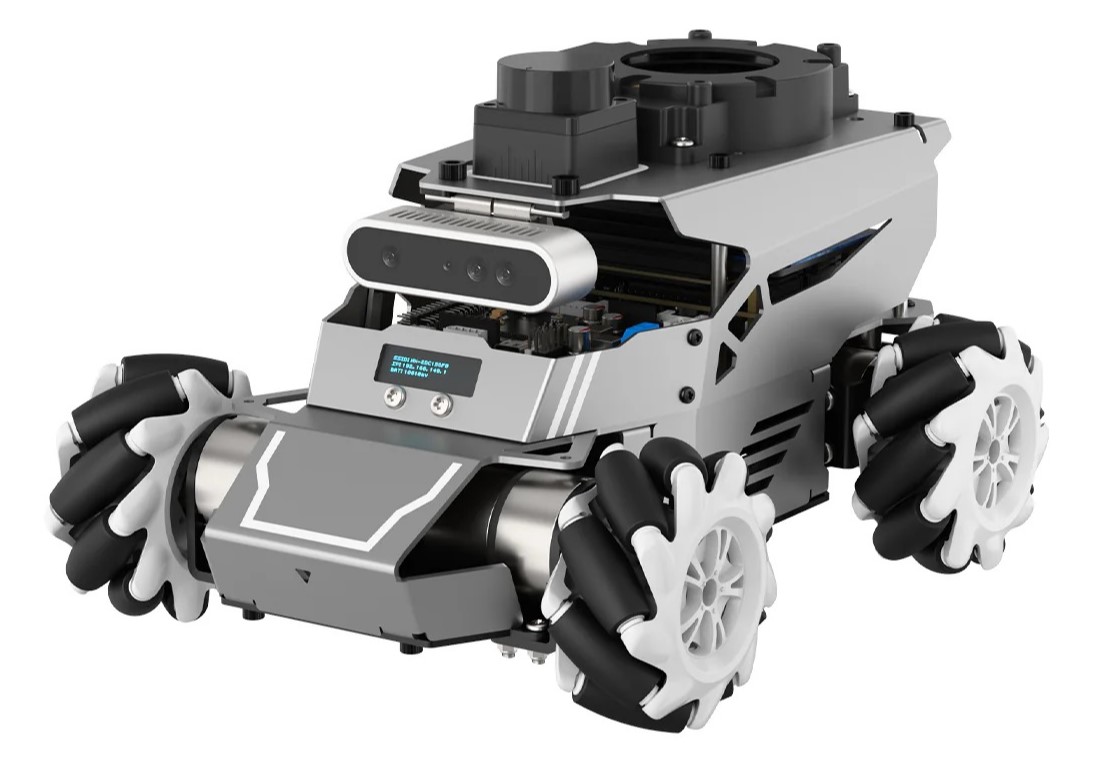
Robot Operating System (ROS)

The Robot Operating System (ROS) is a set of software libraries and tools for building robot applications. From drivers to state-of-the-art algorithms, and with powerful developer tools, ROS has what you need for your next robotics project. And it’s all open source. See ROS

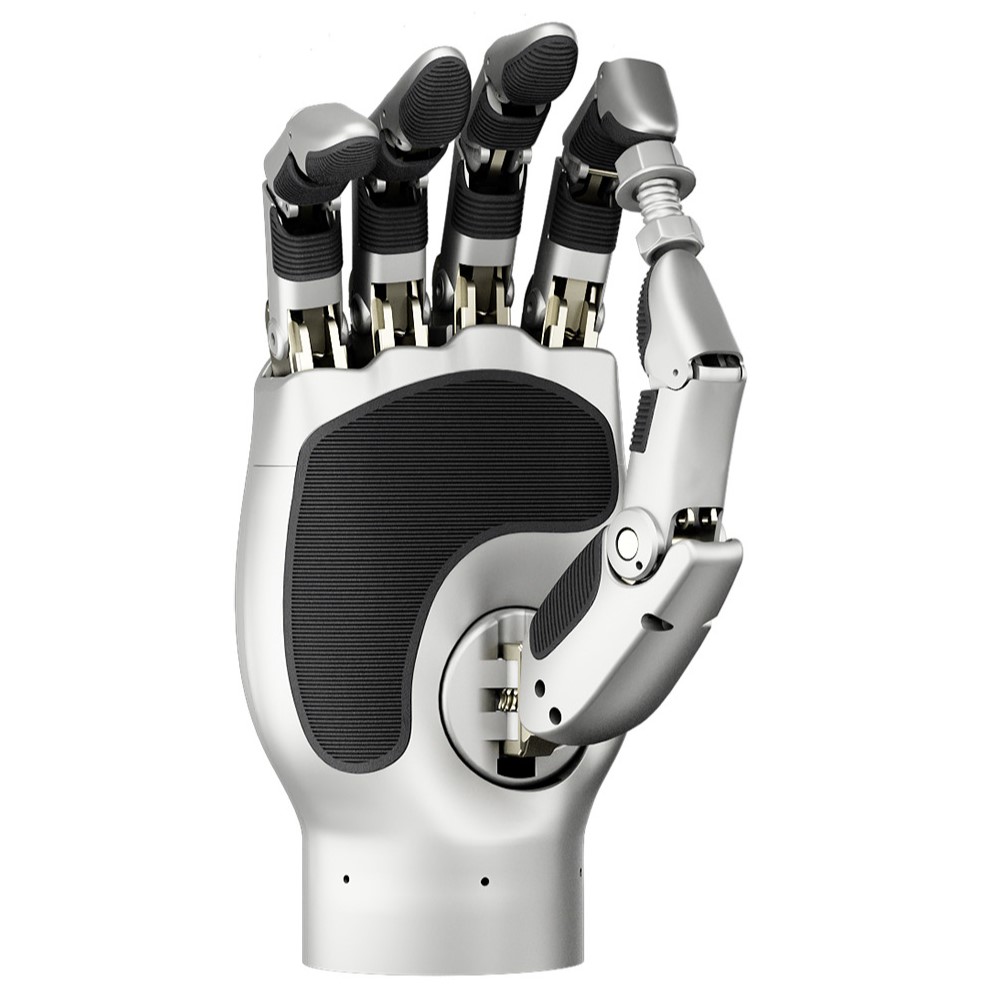
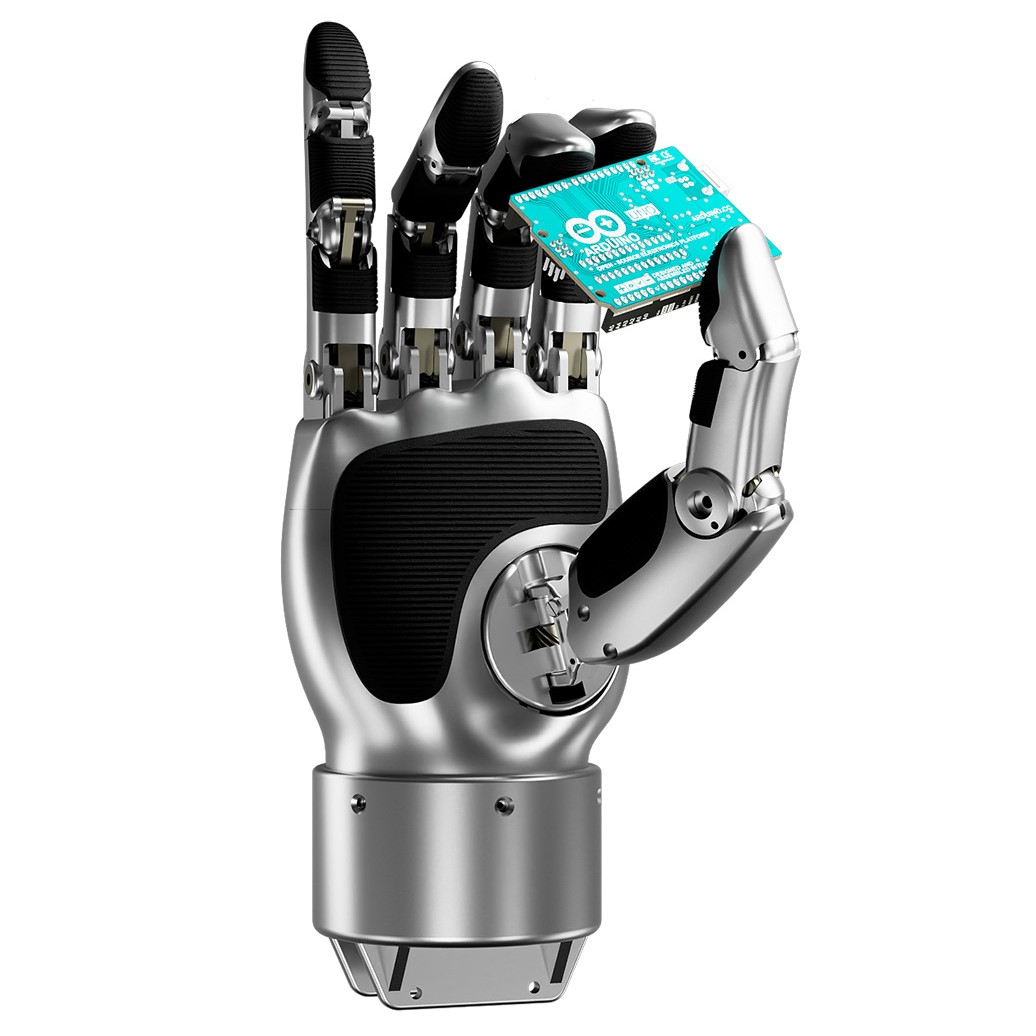
Robot Human Bionic Dexterous Hand

Our Robot Hand L10 is a high-performance dexterous hand with 20 DoFs. Equipped with self-developed motors and linkage transmission mechanisms, it ensures traction stability while enabling precise control and smooth movement. Widely used in education & research, piano performance, household assistance, and elderly care, it drives the advancement and implementation of intelligent robots and human-robot collaboration. It supports multimodal environmental perception via multiple sensors and is compatible with ROS/Qt environments (with standard ROS plugins for secondary development).

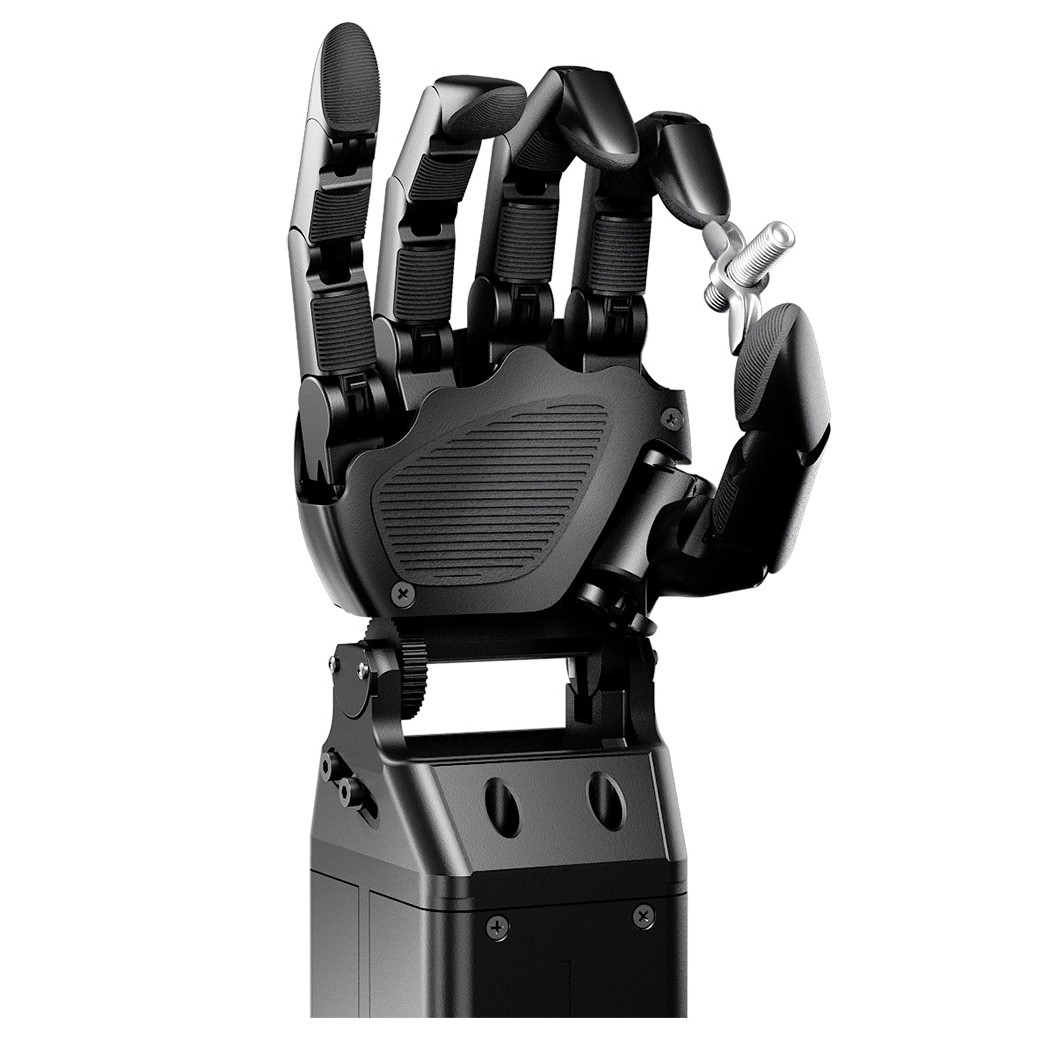
Robotic Grasping 5 Fingers Human-Like Humanoid Dexterous Robotic Hand

Our robot hand is a high-performance dexterous hand with 17 DoFs. Powered by self-developed motors, it balances cost control with reliable grasping and operation performance, meeting diverse application needs. It provides ROS plugins for secondary development, suitable for education and research, auxiliary grasping, and intelligent interaction, offering an efficient, economical, and dexterous hand solution for robotic systems.

Dexterous Human Hand

Our DoF dexterous hand that accurately replicates fine human hand movements with millimeter-level operation precision. It uses advanced tendon drive and highly integrated mechatronic systems for stable movement and precise control. It supports multimodal perception (force, touch, vision) to enhance the reliability of real-time perception and interaction. With high DoFs, multimodal perception, and leading motion-control algorithms, it is widely used in industrial automation, medical assistance, and research experiments, providing a highly adaptable, reliable end-effector solution.

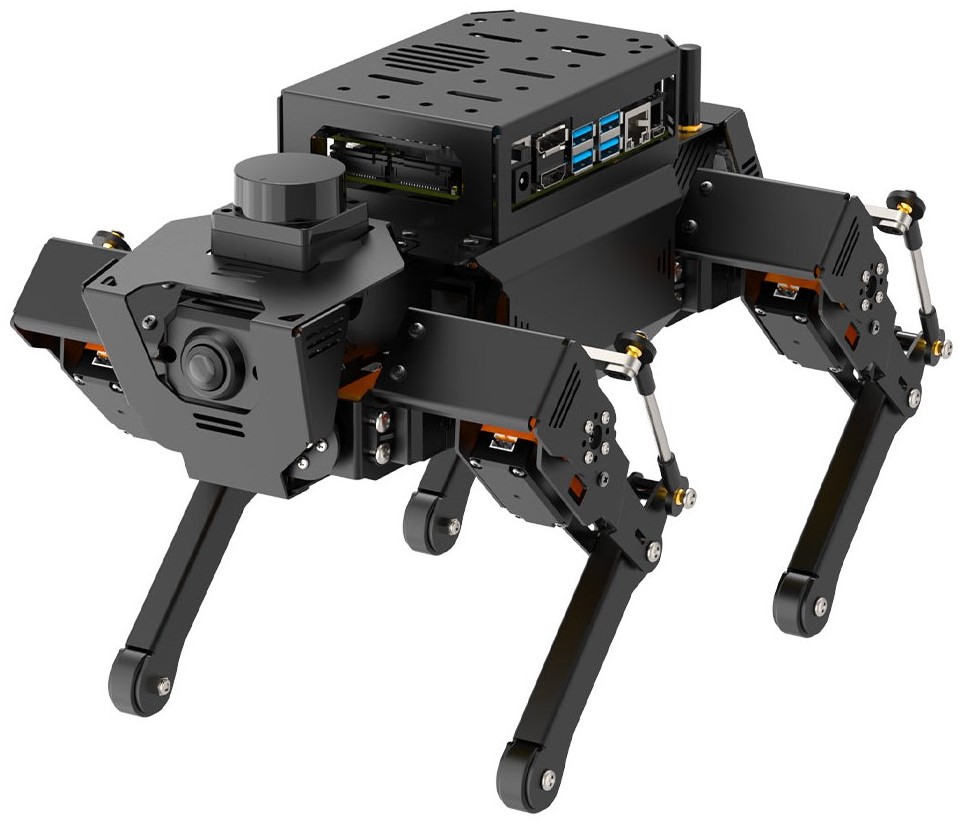
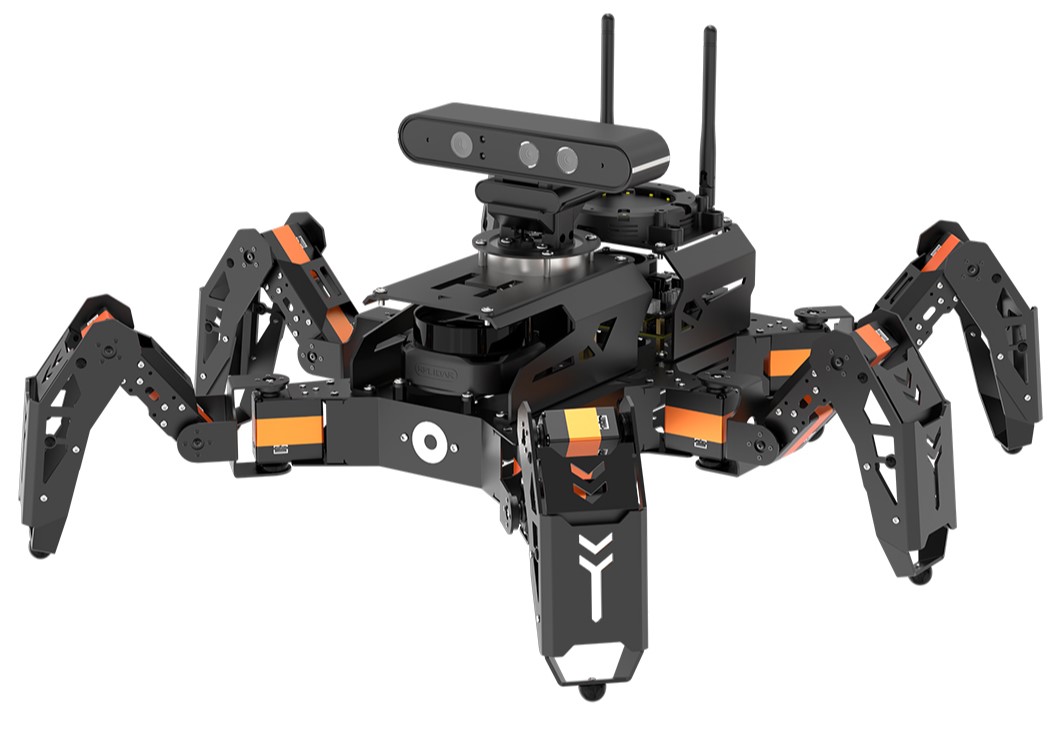
Hexapod Robot with Lidar

ROSpider is an all-terrain, ROS-based hexapod robot equipped with 18 high-voltage serial bus servos, each delivering a high torque of 45 kg. It uses advanced bionic kinematics algorithms to enable flexible obstacle avoidance through integrated gait control and adjustments. ROSpider is powered by a Jetson Nano controller and features high-performance hardware, including Lidar, a 3D depth camera, a far-field microphone array, and more. It supports a range of applications, including object recognition and tracking, somatosensory interaction, SLAM mapping and navigation, path planning, and voice-controlled navigation, making it an ideal platform for AI interaction and exploration projects.

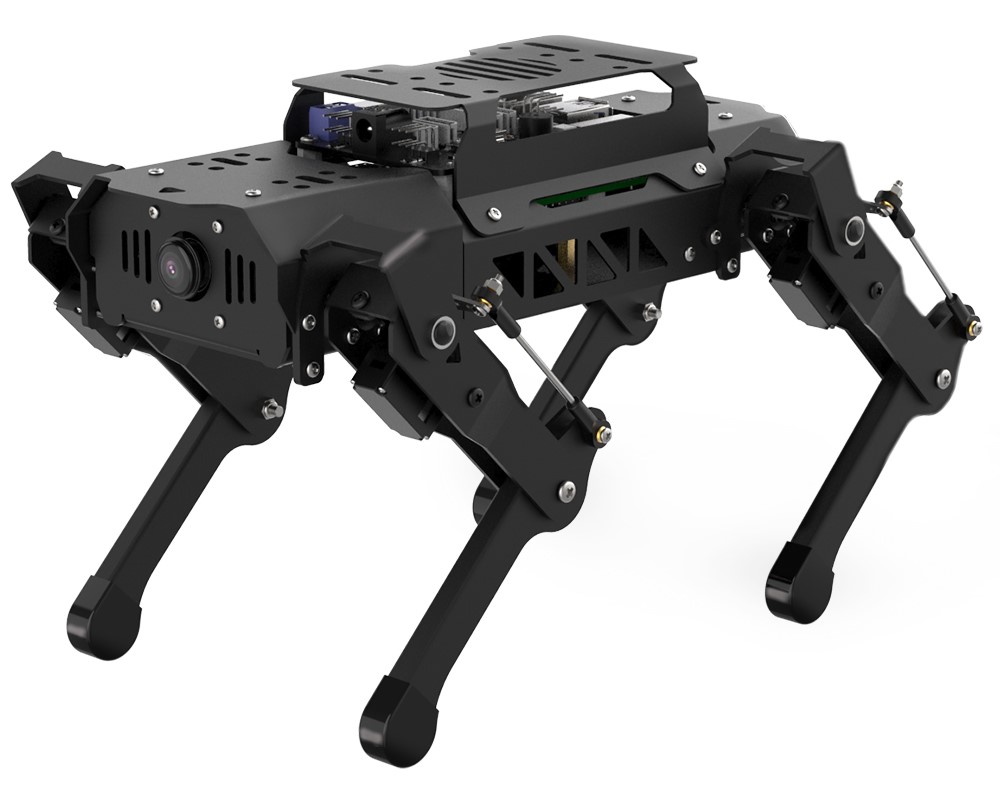
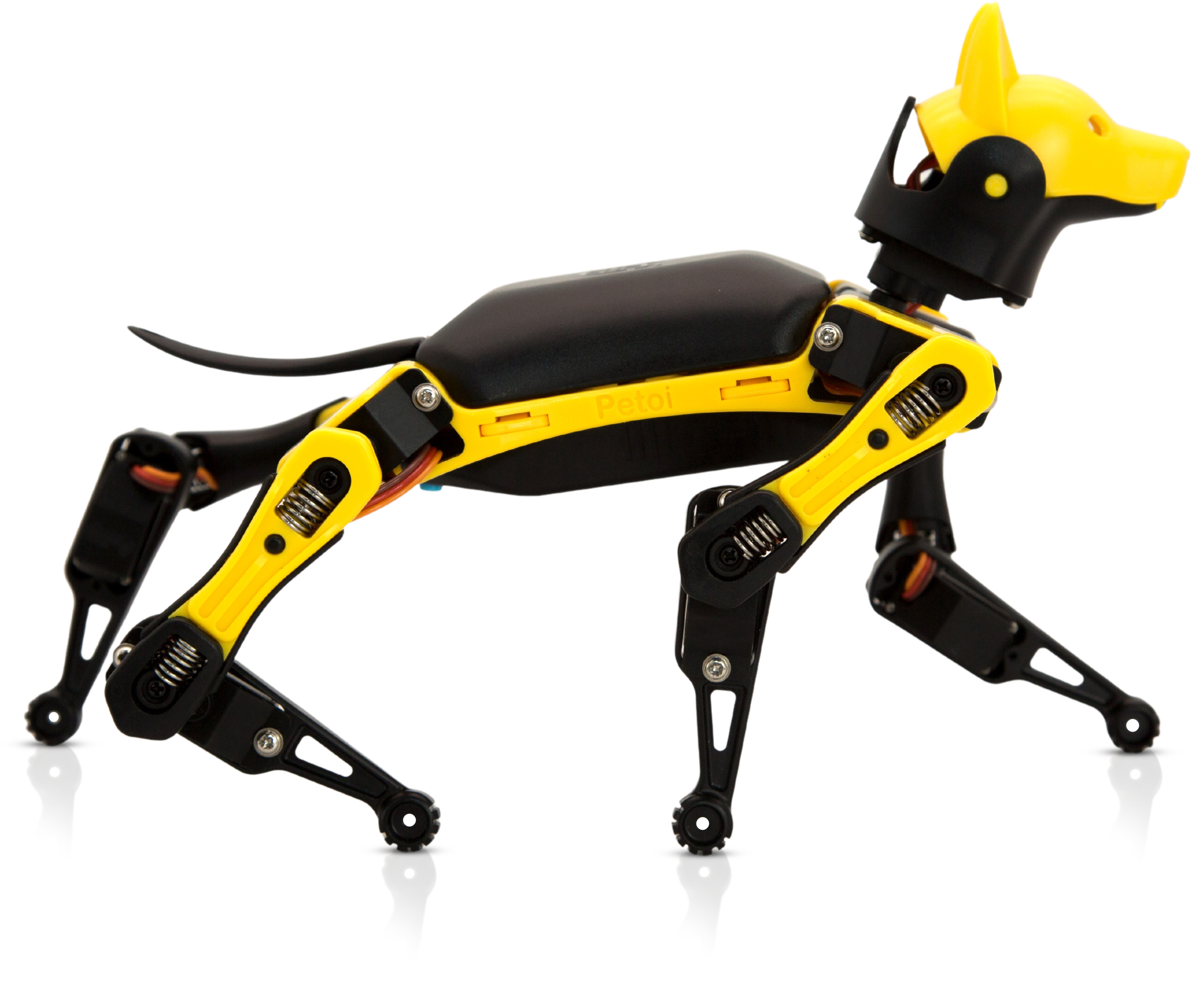
Programmable Robot Dog for STEM and Fun

A realistic programmable robot dog construction kit with lots of fun play: Bittle is the world’s first palm-sized, servo-activated bionic, open-source robotic dog with one hour of playtime. Have your programmable robot pet navigate with life-like movements and perform tricks with the remote control or the mobile app.